
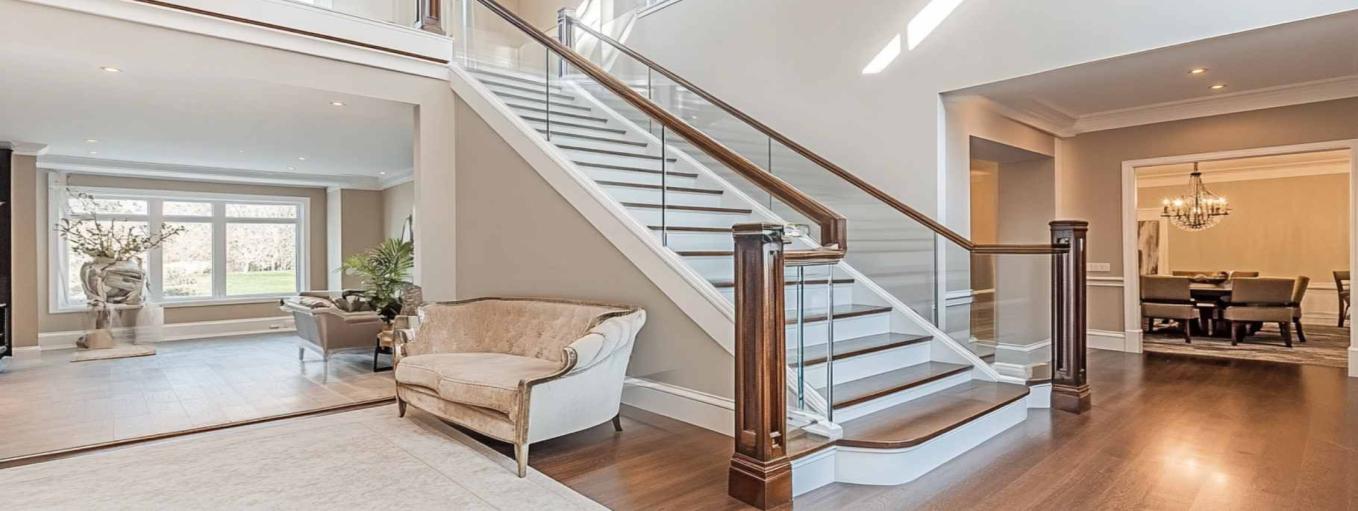

A home does not always need a full renovation to feel more modern. Sometimes, the biggest visual improvement comes from smaller architectural details. These are the parts of a home that shape its character, such as edges, railings, trims, lighting, openings, finishes, transitions, and built-in features.
Many homeowners focus mainly on furniture and paint colours when they want a fresh look. While these changes help, they only sit on the surface. Architectural details go deeper. They influence how the home feels, how spaces connect, and how polished the final design appears.
Details Create the First Impression
When someone enters a home, they notice more than furniture. They notice how clean the lines are, whether the spaces feel open, whether finishes match, and whether the home feels thoughtfully planned. Small architectural details can quietly shape this first impression.
A modern home often feels calm and organised because the details are controlled. There are fewer awkward corners, fewer mismatched finishes, and fewer elements that look added without planning. Everything appears to belong.
This does not mean the home must be plain. It means each detail should support the overall style.
Clean Lines Make a Big Difference
Clean lines are one of the easiest ways to make a home feel more modern. They can appear in cabinetry, door frames, skirting, window treatments, stairs, shelving, and built-in storage. When lines are simple and consistent, the home feels less cluttered.
This is why modern interiors often use smooth finishes, straight edges, simple profiles, and balanced proportions. Even traditional homes can benefit from cleaner details without losing their original character.
The goal is not to remove personality. It is to remove visual confusion.
Transition Areas Deserve Attention
Some of the most overlooked areas in a home are transition spaces. These include hallways, entries, landings, stair areas, and spaces between open-plan zones. Because these areas are not always treated as main rooms, they may be left unfinished or poorly styled.
However, transition areas affect the way the entire home feels. If the living room looks updated but the entry or stair area feels dated, the design loses impact. If a hallway is dark or narrow, it can make nearby rooms feel less inviting.
Small upgrades in these areas can create a more refined look across the whole property.
Balustrades Can Shape the Style of a Space
In homes with staircases, balconies, raised areas, or voids, balustrades are more than safety features. They can strongly influence the visual style of the home. Glass can create openness and light. Timber can add warmth. Metal can create a modern or industrial feel. Mixed materials can help balance strength and elegance.
When renovating, homeowners may work with Custom Balustrade Designers to ensure these features suit the home’s layout, safety needs, and interior style. The right design can make a practical feature feel like part of the architecture rather than something added later.
This is especially useful in open homes where the balustrade is visible from several angles.
Materials Should Support the Mood
Every material creates a different feeling. Timber feels warm and natural. Glass feels open and light. Steel can feel strong and contemporary. Stone feels solid and timeless. Painted finishes can feel clean, soft, or bold depending on colour and texture.
A refined home usually uses materials with intention. Too many finishes can make a space feel busy. Too few can make it feel flat. The best result often comes from a small, well-balanced palette.
For example, a home might combine timber floors, white walls, black metal accents, and soft natural fabrics. Another home might use stone, glass, brushed metal, and neutral tones for a more premium look.
Lighting Highlights the Details
Architectural details need good lighting to be appreciated. Poor lighting can hide quality finishes and make a home feel dull. Thoughtful lighting can highlight textures, improve safety, and create atmosphere.
Wall lights, recessed lighting, pendant lights, strip lighting, and natural light all have different roles. A hallway may need soft wall lighting. A stair area may need clear visibility. A feature wall may need directional lighting. A kitchen may need task lighting and warm ambient lighting.
Lighting should not be selected at the end as an afterthought. It should be part of the design plan.
Built-In Features Add a Custom Feel
Built-in features can make a home feel more refined because they are made to suit the space. This can include cabinetry, shelving, window seats, storage benches, wardrobes, entertainment units, or study nooks.
Compared to loose furniture, built-ins can reduce clutter and make better use of awkward areas. They also help the home feel more intentional. Instead of filling empty spaces with random pieces, homeowners can create features that fit properly.
A well-designed built-in can improve both appearance and function.
Hardware and Finishes Matter
Small items such as handles, hinges, taps, switches, hooks, and rail brackets may seem minor, but they affect the overall finish of the home. If these items are mismatched or poor quality, they can make a renovation feel incomplete.
Choosing consistent finishes can make the home feel more polished. For example, matte black, brushed nickel, brass, or stainless steel can be repeated across different rooms for a more connected look.
These details do not need to be expensive. They simply need to be selected carefully.
Refinement Comes From Consistency
A modern and refined home does not depend on one dramatic feature. It depends on many details working together. Clean lines, balanced materials, thoughtful lighting, practical storage, and well-designed transition areas all contribute to the final result.
When small architectural details are ignored, a home can feel unfinished even after major upgrades. When they are planned properly, the home feels more complete, comfortable, and visually balanced.
The difference is often not in how much is added, but in how carefully each part is considered.

Comments are closed.