
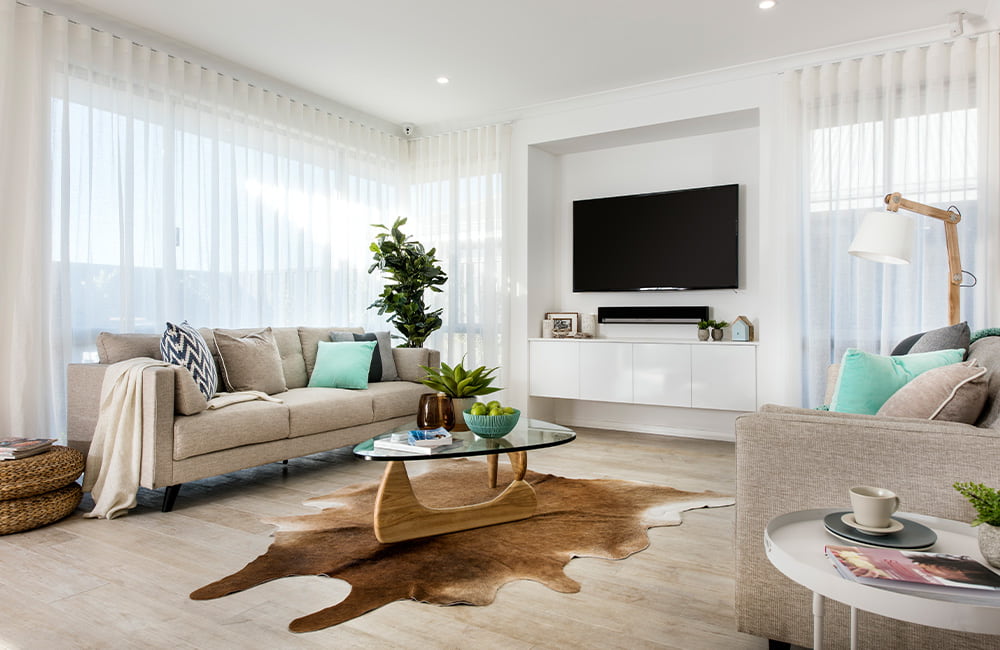

Selecting the ideal window treatment is one of the most consequential decisions you can make when designing or refreshing an interior space. Windows serve as the primary source of natural light, ventilation, and connection to the outside world, yet they also present potential vulnerabilities regarding privacy, glare, solar heat gain, and heat loss. The window coverings you choose play a dual role: they function as critical architectural utilities that regulate your home interior environment while simultaneously acting as major visual focal points that anchor your decor theme.
Homeowners and interior designers frequently debate the merits of curtains versus blinds. While both options fulfill the essential requirements of blocking light and providing privacy, they accomplish these tasks in fundamentally different ways. Curtains offer fabric warmth, acoustic dampening, and flowing architectural lines, whereas blinds provide precise mechanical control over light directional flow, compact efficiency, and moisture resistance. Understanding the distinct characteristics, material properties, and functional performance of both window treatments ensures you select the option that best suits your lifestyle, room layout, and long-term maintenance preferences.
Understanding Curtains: Elegance, Texture, and Thermal Performance
Curtains are fabric panels hung from a rod, track, or ring system mounted above a window frame. They range from light, airy sheers to heavy, lined blackout drapes. Because curtains cover the entire window expanse and often extend to the floor, they carry significant visual weight and contribute immensely to the softness and comfort of a room.
The primary appeal of curtains lies in their texture, drape, and aesthetic adaptability. Fabric panels can be tailored to match virtually any design style, from traditional and bohemian to minimalist modern. Beyond aesthetics, high-quality curtains offer substantial functional benefits.
-
Superior Thermal Insulation: Lined or thermal-backed curtains create a thick dead-air space between the window pane and the living area. This barrier reduces winter draft transmission and blocks summer thermal solar gain, lowering household heating and cooling costs.
-
Acoustic Sound Absorption: Dense textile fabrics such as velvet, heavyweight wool, and thick cotton slub absorb ambient sound waves. This reduces internal room echo and muffles external street noise, creating a quieter indoor environment.
-
Visual Height and Proportion Framing: Mounting curtain rods near the ceiling cornice line and allowing panels to brush the floor tricks the eye into perceiving higher ceilings and grander window dimensions.
-
Complete Darkness Capability: When fitted with specialized blackout linings and extended beyond the window casing, curtains effectively eliminate side-light gaps, making them ideal for nurseries, home theaters, and bedrooms.
Despite these advantages, curtains have inherent limitations. Heavy fabrics accumulate dust, pet dander, and airborne grease, requiring professional dry cleaning or careful laundering. Furthermore, long fabric drapes absorb moisture readily, making them prone to mildew growth in high-humidity zones such as small bathrooms or above kitchen sinks.
Understanding Blinds: Precision Light Control and Modern Efficiency
Blinds are hard window coverings constructed from horizontal or vertical slats held together by cords, tapes, or routing channels. Unlike curtains, which open by sliding horizontally to the sides, blinds operate by tilting their slats or pulling the entire mechanism upward or sideways to expose the glass. Common materials include natural hardwood, faux wood composite, aluminum, and durable vinyl PVC.
The standout feature of blinds is their precise light manipulation. Rather than making a binary choice between fully covered or entirely exposed glass, tilting blind slats allows you to direct sunlight toward the ceiling or floor, illuminating the space while eliminating direct glare on computer screens or televisions.
-
Fine-Tuned Light and Directional Control: By adjusting the angle of horizontal or vertical slats, you can maintain exterior views and natural indoor lighting while preventing passersby from looking into your home.
-
Compact and Space-Saving Footprint: Blinds mount directly inside the window recess or tightly against the window casing. This minimal depth preserves surrounding wall space and prevents interference with nearby furniture or narrow walkways.
-
Moisture and Moisture Resistance: Faux wood, aluminum, and vinyl blinds do not warp, crack, or rot when exposed to steam, splash water, or high atmospheric humidity. They represent the practical gold standard for kitchens, bathrooms, and laundry rooms.
-
Low Maintenance Cleaning: Hard blind surfaces can be wiped clean quickly using a duster or damp microfiber cloth without needing to remove the fixture from the window mounting brackets.
However, blinds do have a few trade-offs. The mechanical tilting cords, tilt rods, and lift mechanisms contain moving parts that can wear out over time. Standard horizontal blinds also allow minor light leaks between slats and through cord routing holes, which prevents them from achieving total room blackout unless equipped with specialized edge channels.
Key Factors to Consider When Choosing Between Curtains and Blinds
When deciding between curtains and blinds for a specific room in your home, evaluating key operational criteria helps clarify which option delivers the best long-term satisfaction.
Light Control and Privacy Needs
Determine how much light modulation the space requires throughout the day. Living rooms and home offices often benefit from the variable slat angles of blinds, which diffuse harsh morning or afternoon sunlight while maintaining an open feel. Conversely, master bedrooms and media rooms usually prioritize maximum light blockage and complete privacy, conditions best achieved by heavy, lined curtains or blackout drapes.
Energy Efficiency and Thermal Protection
If your home features single-pane glass, older drafty windows, or large expanses of exterior glass exposed to direct sunlight, thermal performance is paramount. Medium to heavy curtains with dedicated thermal linings outperform standard slatted blinds in preventing conductive heat loss during cold seasons. While blinds do block direct radiation when closed, air continues to circulate freely between the slats, offering limited insulation against cold glass surfaces.
Maintenance and Cleaning Demands
Consider the amount of effort you are willing to dedicate to window treatment upkeep. Blinds require routine dusting to prevent buildup on flat horizontal slats, but stubborn spots wipe away easily with standard household cleaners. Curtains require infrequent deep cleaning, but taking them down, dry cleaning them, and rehanging heavy fabric panels represents a significantly larger labor commitment.
Room Moisture and Environmental Hazards
High-humidity environments dictate material selection. In bathrooms, kitchens, basements, and laundry facilities, steam and splashing water render standard fabric drapes vulnerable to mold, mildew, and lingering odor absorption. Faux wood, aluminum, or vinyl blinds withstand these conditions without degrading.
Visual Scale and Interior Design Style
Assess the architectural style and physical dimensions of the room. Small rooms with tight furniture arrangements often feel cramped when overwhelmed by long, heavy drapes. In these spaces, clean-lined blinds maintain an uncluttered aesthetic. Large rooms with high ceilings, wide glass bays, or expansive wall surfaces often feel hollow without the softening texture and vertical warmth that full-length curtains provide.
Combining Curtains and Blinds for Maximum Functionality
You do not always have to choose one option to the exclusion of the other. Layering curtains over blinds is a popular interior design strategy that combines the functional benefits of both treatments into a unified window presentation.
A typical layered arrangement features an inside-mounted blind, such as a faux wood slat blind or woven bamboo shade, paired with an outside-mounted curtain rod holding decorative drapery panels. This hybrid approach gives you total flexibility. During the daytime, you can tilt the blind slats to diffuse sunlight while keeping the curtains pulled open to frame the window frame. At night, you can lower the blinds completely and draw the heavy curtains closed to achieve maximum thermal insulation, acoustic noise reduction, and absolute privacy. Layering also adds rich visual texture and depth to your living space.
Frequently Asked Questions
Which window treatment is best for allergen control in bedrooms?
Blinds are generally superior for individuals suffering from severe dust mite or pollen allergies. Hard surfaces like aluminum, wood, and vinyl do not trap airborne allergens, and they can be wiped completely clean with a damp cloth. Fabric curtains act as massive filters that accumulate dust mites, pet dander, and pollen over time, requiring frequent high-temperature washing or specialized vacuuming to stay allergen-free.
How do smart motorization options differ between curtains and blinds?
Motorized blinds use internal tubular motors hidden inside the headrail to tilt slats or lift the entire shade up and down via smartphone apps, remote controls, or automated smart home schedules. Motorized curtains rely on motorized track systems mounted to the wall or ceiling, which pull the fabric panels horizontally across the window span. While both integrate seamlessly into modern home automation systems, motorized curtain tracks require more top clearance above the window frame to accommodate the drive motor housing.
Can blinds be safely installed on non-standard shaped windows like arches or triangles?
Standard horizontal and vertical blinds are designed for rectangular openings, but specialty manufacturers produce custom-shaped cellular shades, shutter louvers, and fixed sunburst blinds engineered specifically for arched, angled, or triangular architectural glass. Curtains can also accommodate angled windows by using specialized sloped rods, though drawing the fabric open fully may prove difficult depending on the degree of the ceiling pitch.
What is the impact of window treatments on property resale value?
High-quality, custom-built blinds, particularly real wood blinds or custom plantation shutters, are considered permanent built-in fixtures that stay with the home and often positively influence prospective buyers. Custom drapes are generally considered personal decor items that sellers take with them when moving. However, leaving high-end, professionally installed window hardware and neutral drapes in place can enhance home staging appeal during property viewings.
How do child safety regulations affect the choice between corded blinds and drapes?
Modern child safety standards mandate cordless or hidden-pull mechanisms on stock window coverings to eliminate the hazard of dangling lift cords. When choosing blinds, cordless spring-loaded lift options or motorized controls are recommended for homes with young children or pets. Curtains naturally avoid lift cord entanglement risks, provided that heavy curtain rods are anchored securely into wall studs and continuous cord loops on curtain tracks are secured with wall-mounted tension devices.
Are curtains or blinds better suited for damp outdoor living spaces like covered patios?
For outdoor or semi-outdoor living zones such as covered porches, lanais, and three-season rooms, specialized outdoor blinds made from marine-grade synthetic mesh or heavy vinyl are significantly better suited than standard indoor fabrics. Standard interior curtains will rot, fade rapidly under direct ultraviolet light, and develop heavy mold growth when exposed to humidity, wind, and rain driven by storms.
What is the expected lifespan comparison between high-end blinds and custom fabric curtains?
High-end real wood or aluminum blinds typically last between ten and fifteen years with routine care, though mechanical operating cords and tilt gears may experience wear after seven to ten years of heavy daily use. Custom fabric curtains made from durable linen, silk blends, or heavy cotton can easily last fifteen to twenty-five years if kept out of harsh direct ultraviolet light or protected by UV-blocking window films and interior linings.

Comments are closed.