
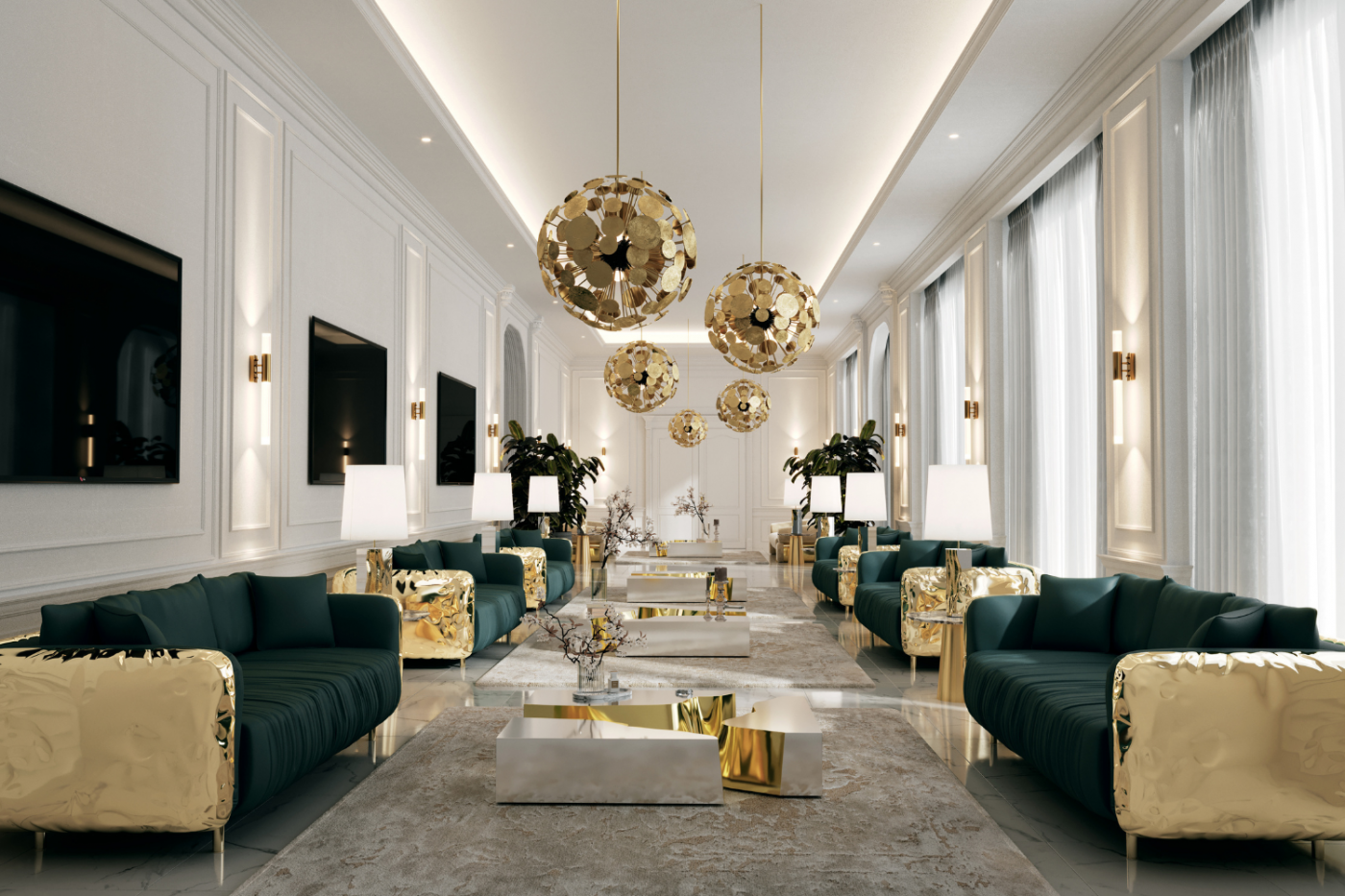

Texture is one of the most powerful yet frequently overlooked elements in interior design. While color schemes and furniture layouts often take center stage during a room refresh, texture is what gives a living space depth, dimension, and physical comfort. A room decorated in a single monochromatic tone can feel dynamic and inviting if it features a thoughtful mix of tactile elements. Conversely, a space with flat, uniform surfaces often feels cold, uninviting, and unfinished, regardless of how expensive the furniture may be.
Mastering the art of mixing textures allows you to create visual tension and harmony simultaneously. By learning how to pair rough materials with smooth finishes, soft fabrics with hard structural elements, and heavy weaves with lightweight textiles, you can transform your home into a sophisticated, multi-layered sanctuary.
Understanding the Role of Texture in Interior Design
Texture in interior design refers to the visual and tactile quality of surfaces within a room. It encompasses how things feel when touched, known as tactile texture, as well as how they appear to feel, known as visual texture. Both forms play a critical role in how an environment is perceived and experienced.
Tactile texture involves physical sensation. Feeling the roughness of an exposed brick wall, the smooth coldness of a marble tabletop, or the plush softness of a high-pile rug provides immediate sensory feedback. Visual texture, on the other hand, relies on light and shadow to suggest depth. A patterned wallpaper or a distressed wood grain creates visual weight and interest even if the actual surface feels relatively flat to the touch.
Incorporating a diverse range of textures influences how light bounces around a space. Matte and rough surfaces absorb light, creating a sense of warmth, intimacy, and groundedness. Glossy, polished, or reflective surfaces reflect light, making a room feel brighter, larger, and more formal. Achieving a balance between light-absorbing and light-reflecting elements is essential for creating a comfortable living environment.
Identifying the Primary Categories of Textures
To successfully combine different materials, it helps to understand the main categories of textures used in residential interiors. Most decor elements fall into one of four distinct groups.
-
Rough and Natural Textures: These include raw timber, stone, brick, rattan, jute, terracotta, and concrete. Rough textures bring organic warmth, structure, and a sense of history into a space.
-
Smooth and Sleek Textures: Surfaces such as polished marble, glass, chrome, brass, high-gloss lacquer, and smooth ceramic fall into this category. They introduce modern sophistication, reflect light, and keep spaces from feeling visually heavy.
-
Soft and Plush Textures: Boucle, velvet, faux fur, shearling, and chenille provide physical comfort and warmth. These fabrics invite touch and make seating areas feel cozy and welcoming.
-
Woven and Tailored Textures: Linen, cotton canvas, tweed, wool knits, and jacquard bring subtle geometric complexity and structure. They bridge the gap between heavy, plush materials and sleek, hard surfaces.
The Core Principles of Combining Diverse Textures
Mixing textures requires intentionality. Throwing random items together can lead to visual chaos rather than curated elegance. Following key design principles ensures your texture combinations feel cohesive and purposeful.
Establish a Grounding Base
Every successful room layout needs a solid anchor. Start by selecting your foundational surfaces, which typically include your flooring, main wall treatments, and major furniture pieces like sofas or dining tables. If your foundation consists of smooth, neutral elements like polished hardwood and painted drywall, you will need to introduce rougher, heavier textures through rugs, window treatments, and accent furniture to balance the space.
Maintain Balance Through Contrast
Contrast is the engine of successful texture mixing. Opposites attract and enhance one another in interior styling. Pair a sleek leather sofa with a chunky knit throw blanket, or place a raw edge wooden coffee table on a smooth, flat-weave wool rug. The goal is to ensure no single texture dominates the space to the point of monotony. If every surface in a room is smooth and shiny, the space feels sterile. If every surface is rough and rustic, the room can feel overwhelming and visually busy.
Work Within a Cohesive Color Palette
When working with numerous textures, keeping your color palette relatively restrained prevents the room from feeling chaotic. Monochromatic or analogous color schemes work exceptionally well when mixing heavy textures. When the color palette remains muted or consistent, the eye focuses on the rich tactile differences rather than fighting competing visual signals. Cream, beige, gray, and earth tones provide an ideal backdrop for complex textural layering.
Pay Attention to Scale and Proportion
Just as you scale furniture to fit a room, you must scale your textures. Large, high-traffic rooms can handle heavy, coarse textures like broad-plank timber, large-scale weave rugs, and chunky stone fireplaces. Smaller rooms benefit from finer textures, such as tight-weave linens, delicate glass accents, and smooth metal frames, which add interest without overwhelming the square footage.
Room-by-Room Guide to Layering Textures
Applying textural concepts varies depending on the function of each room. Here is how to thoughtfully layer surfaces in the main areas of your home.
The Living Room
The living room offers the greatest opportunity for texture integration because it contains a wide variety of furniture and decorative accents.
-
Layer a soft wool or jute rug over hardwood or tile flooring to define the seating zone.
-
Pair a structured upholstery fabric like linen or leather on your primary sofa with accent chairs in plush velvet or textured boucle.
-
Mix coffee table materials by placing a smooth glass or marble tray on top of a weathered wood table, or choose a brushed metal table to offset a fabric sofa.
-
Incorporate throw pillows featuring contrasting covers, combining silk, waffle-knit cotton, and heavy wool.
The Bedroom
Bedrooms should emphasize soft, relaxing textures while maintaining enough structure to look tailored.
-
Start with high-thread-count cotton or relaxed linen sheets as your base layer.
-
Add a quilted duvet or heavy knit blanket at the foot of the bed for physical depth.
-
Frame the bed with a upholstered headboard in velvet or woven fabric to create a soft backdrop against painted walls.
-
Place a plush bedside rug underfoot to provide immediate physical warmth when stepping out of bed.
The Dining Room
Dining spaces often suffer from an overabundance of hard, flat surfaces due to tables, chairs, and sideboards. Adding textural variety softens the atmosphere.
-
Choose dining chairs that combine materials, such as leather seats with metal legs, or woven cane backs with wooden frames.
-
Hang a linen or textured fabric pendant light above the dining table to soften overhead light.
-
Dress the table with a textured runner, ceramic stoneware dishes, and linen napkins rather than smooth, synthetic linens.
Avoiding Common Texture Styling Mistakes
Even with the best intentions, styling mistakes can happen. Being aware of common pitfalls helps you refine your approach.
-
Overusing a Single Material: Relying too heavily on one trendy texture, such as all-boucle furniture or excessive velvet, strips a room of balance. Limit dominant fabrics to one or two key pieces.
-
Ignoring Functional Needs: A heavy wool rug might look beautiful, but it may not be practical in a kitchen or dining area where spills happen. Always balance tactile aesthetics with daily function.
-
Forgetting Lighting Effects: Lighting directly impacts how textures are perceived. Harsh overhead lights flatten textures, while warm, layered lamp light creates subtle shadows that emphasize depth and weave.
Frequently Asked Questions
How many textures should be used in a single room?
A good standard to follow is incorporating three to five distinct textures per room. This provides enough diversity to create interest without overcrowding the visual field.
Can you mix modern sleek textures with traditional rough textures?
Yes, combining modern elements like chrome, polished marble, and glass with traditional or rustic elements like rough-sawn wood and distressed leather creates compelling visual contrast and dynamic energy in a room.
How do you add texture to a small room without making it feel cluttered?
In smaller rooms, focus on subtle textures that reflect light or maintain a low visual profile. Use sheer linen curtains, polished metals, smooth ceramics, and low-pile woven rugs rather than heavy, bulky, high-pile textiles.
What is the easiest way to start mixing textures on a budget?
The most cost-effective way to introduce texture is through accent textiles and small accessories. Swapping out cushion covers, adding a throw blanket, placing a woven basket in a corner, or adding a ceramic vase can immediately elevate a space without major financial investment.
How does texture affect room temperature perception?
Textures visually and psychologically influence how warm or cool a room feels. Rough, heavy, and plush materials like wool, wood, and velvet absorb light and trap warmth, making a space feel cozy. Smooth, polished, and metallic materials reflect light and heat, giving a space a cooler, crisper feel.
Does wallpaper count as a textural element?
Yes, wallpaper is an excellent tool for adding texture. Textured wallpapers like grasscloth, linen weave, or embossed patterns add physical depth, while printed geometric or marble patterns provide visual texture that adds interest to flat walls.
How do I maintain and clean different mixed textures in my home?
Different materials require specific care routines. Vacuum woven rugs and textured fabrics regularly using a brush attachment to remove dust trapped in fibers. Treat leather with specialized conditioners, dust rough wood surfaces with dry microfiber cloths, and clean glass or metallic accents with dedicated gentle cleaners to maintain their sheen.

Comments are closed.