
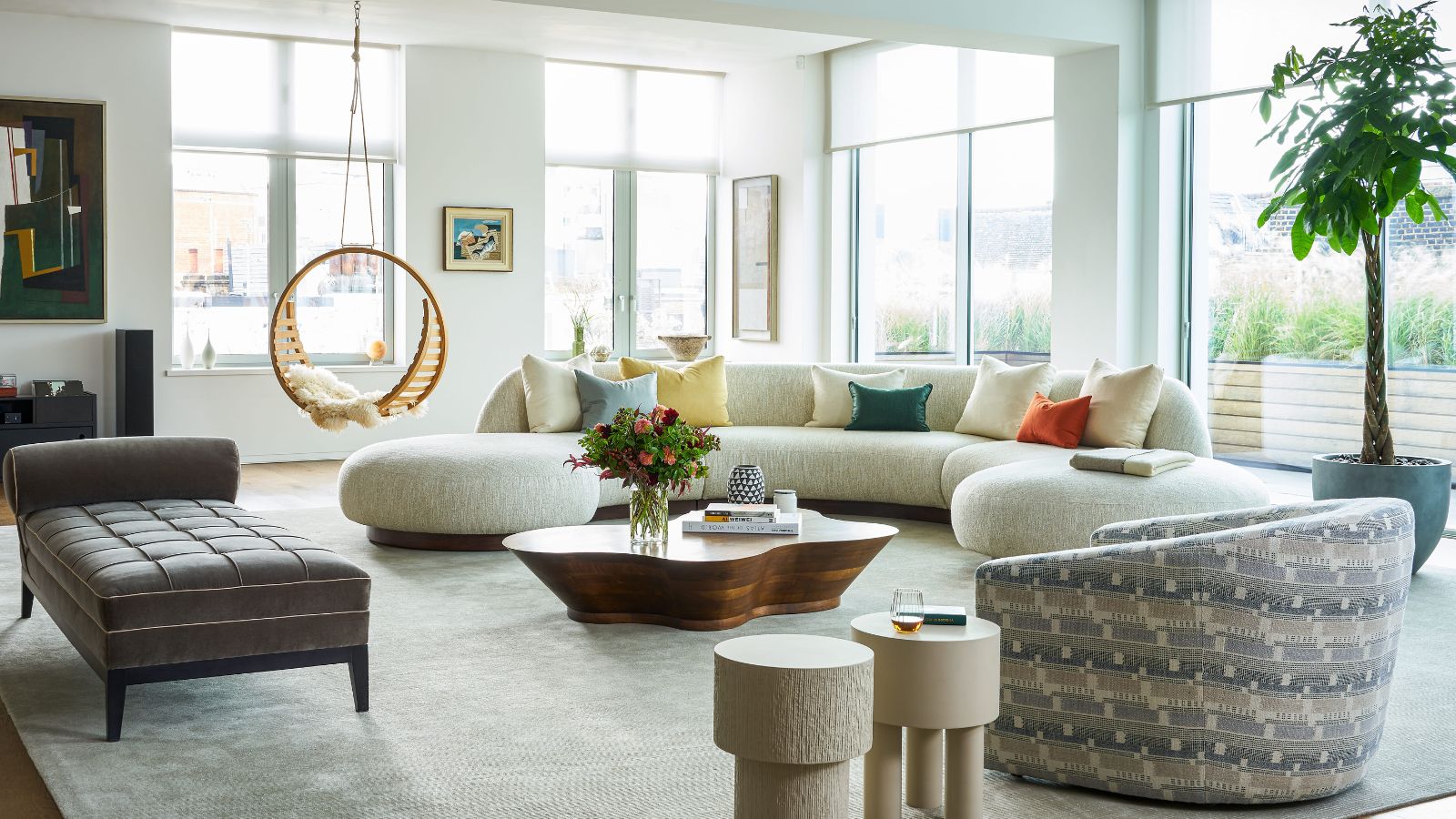

Modern living demands a balance between form, functionality, and emotional resonance. Contemporary interior design has evolved from a mere aesthetic preference into a thoughtful approach to spatial organization. It reflects current lifestyle shifts, technological advancements, and a growing emphasis on sustainability. Unlike historical design movements defined by rigid rules, contemporary design is dynamic and fluid, continuously borrowing elements from minimalism, industrial aesthetics, and organic architecture to suit modern sensibilities.
Understanding the foundational principles of contemporary interior design allows homeowners and designers to curate spaces that feel visually refined, practically useful, and deeply personal.
The Core Foundations of Contemporary Space Planning
Spatial layout serves as the backbone of modern interior architecture. Contemporary design prioritizes clarity, movement, and light above unnecessary ornamentation.
Open-Plan Layouts and Fluid Transitions
The traditional concept of compartmentalized rooms with dedicated functions has largely been replaced by open-plan living. Contemporary spaces encourage visual continuity between the kitchen, dining, and living areas. This structural approach maximizes natural light and fosters a social environment within the home.
To prevent an open layout from feeling chaotic or oversized, designers use subtle visual markers rather than physical walls:
-
Custom rugs to define distinct functional zones within a single large room
-
Varied ceiling heights or architectural soffits to anchor spatial purpose
-
Low-profile furniture groupings that preserve line-of-sight across the floor plan
-
Strategic lighting placements that establish micro-environments for reading, dining, or working
Functional Minimalism and the Purpose of Clutter-Free Environments
Minimalism in contemporary design is not about stark coldness; it is about intentionality. Every element within a room must earn its placement through functional utility, aesthetic merit, or emotional connection. Clean lines and smooth surfaces are essential, reducing visual noise and creating an environment conducive to mental clarity.
Achieving functional minimalism requires robust storage solutions that keep everyday items out of view. Built-in cabinetry, hidden closets, and multi-functional furniture keep surfaces clear while preserving access to essential items.
Color Palettes and Materiality
Color and texture define the atmosphere of a contemporary home. The modern approach relies on balanced palettes enriched by diverse tactile surfaces.
+------------------+----------------------------------+------------------------------------+
| Palette Category | Core Colors                      | Secondary & Accent Tones           |
+------------------+----------------------------------+------------------------------------+
| Neutral Base     | Off-White, Warm Gray, Taupe      | Charcoal, Warm Cream, Stone        |
| Organic Modern   | Terracotta, Sage, Warm Ochre     | Forest Green, Sand, Clay           |
| High-Contrast    | Crisp White, Jet Black           | Brushed Brass, Matte Bronze        |
+------------------+----------------------------------+------------------------------------+
Sophisticated Neutral Foundation with Intentional Accents
Neutral tones provide the foundational canvas for contemporary interiors. Shades of warm gray, soft beige, off-white, and deep charcoal create a serene backdrop that amplifies natural light and allows architectural features to stand out.
Rather than overwhelming a room with vivid wall colors, contemporary spaces introduce color through curated accents:
-
Large-scale abstract artwork featuring bold color fields
-
Upholstered accent chairs in jewel tones or earthy clay shades
-
Decorative ceramic art pieces and glass vessels
-
Textured throw pillows and woven textiles that introduce subtle tonal shifts
Tactile Contrast through Natural and Synthetic Materials
Texture replaces excessive color and pattern in modern spaces. A successful contemporary room blends smooth, hard surfaces with soft, organic materials to create depth and sensory richness.
Key material combinations include:
-
Matte black steel structural frames paired with warm, unrefined natural oak
-
Polished concrete flooring softened by large-wool or jute area rugs
-
Honed marble countertops set against matte-finish flat-panel cabinetry
-
Sleek glass tabletop surfaces balanced by heavy linen drapery
Architectural Lighting and Natural Illumination
Lighting in contemporary design operates as both a functional necessity and a primary aesthetic feature. A well-designed lighting scheme relies on layers to transform the mood of a space throughout the day.
Layered Lighting Schemes
Relying on a single overhead light source creates harsh shadows and flat visual dynamics. Contemporary interiors use a three-tier lighting hierarchy:
-
Ambient Lighting: Recessed ceiling fixtures or perimeter cove lighting provide general, even illumination across the room.
-
Task Lighting: Directed illumination serves specific activities, such as under-cabinet LED strips in the kitchen or adjustable floor lamps beside reading chairs.
-
Accent Lighting: Integrated LED channels, track lights, and low-voltage spotlights highlight artwork, architectural niches, and textured accent walls.
Maximizing Natural Daylighting
Natural light is a vital element in modern interior design. Large floor-to-ceiling windows, clerestory glazing, and skylights are widely used to connect indoor environments with the outside world. To optimize natural light without sacrificing privacy or climate control, contemporary design incorporates sheer motor-driven window shades, recessed curtain tracks, and smart glass solutions that adjust transparency on demand.
Furniture Selection and Architectural Geometry
Contemporary furniture prioritizes clean silhouettes, ergonomic comfort, and precise proportion over elaborate detail.
Clean Lines and Structural Integrity
Furniture pieces in modern settings feature strong horizontal and vertical lines. Geometric clarity is essential, whether expressed through a low-profile platform bed, a rectilinear dining table, or a curved sculptural sofa.
Sculptural furniture acts as functional art within the room. A single curved lounge chair or a uniquely shaped coffee table breaks the visual monotony of straight architectural lines, serving as a focal point without cluttering the space.
Biophilic Integration and Organic Forms
Biophilic design—the practice of connecting interior spaces with nature—has become a foundational principle of modern living. Contemporary interiors incorporate organic shapes, raw materials, and living plant elements to create healthier, more grounding living environments.
Methods of biophilic integration include:
-
Architectural plant installations, such as vertical living walls or indoor trees anchored in large clay planters
-
Unfinished edge wood dining tables that showcase natural grain patterns
-
Curved architectural archways and rounded furniture contours that mimic organic forms
-
Open window views framed to capture surrounding foliage and natural landscapes
Modern Smart Home Integration
Technology is an integral part of contemporary living, but its presence should be felt rather than seen. Modern design seamlessly embeds technology into the structure of the home to maintain a clean visual landscape.
Smart home features are designed to integrate discreetly into modern spaces:
-
Flush-mounted wall panels that consolidate lighting, temperature, and audio controls
-
Concealed motorized TV lifts or frame-style displays that double as digital art when inactive
-
Architectural speakers built directly into drywall and painted over for complete invisibility
-
Automated shading systems hidden inside ceiling pockets
Frequently Asked Questions
How does contemporary design differ from traditional modern design?
Traditional modern design refers to a specific mid-twentieth-century aesthetic defined by sleek lines, molded plywood, and industrial materials developed between the 1920s and 1950s. Contemporary design refers to the living aesthetics of the present moment. It is fluid, continuously evolving, and mixes elements from various eras while prioritizing current lifestyle needs, technological advancements, and sustainable practices.
Can contemporary interior design feel warm and comfortable rather than cold?
Contemporary design achieves warmth by prioritizing texture, organic materials, and layered lighting over stark, sterile surfaces. Incorporating natural wood tones, plush wool rugs, soft linen textiles, warm-toned neutral paint, and dimmable ambient lighting creates an inviting and cozy environment while maintaining a clean, uncluttered visual structure.
What are the best flooring choices for a contemporary home interior?
Popular flooring choices for contemporary homes include polished concrete, wide-plank light oak hardwood, terrazzo, and large-format porcelain tiles. These materials provide a seamless, continuous visual surface that enhances the open-plan layout. They are often paired with oversized textured area rugs to define spaces and add thermal comfort.
How can someone update an existing space to a contemporary style on a limited budget?
Updating a space to contemporary style on a budget involves decluttering, painting walls in warm neutral shades, updating cabinet hardware to matte black or brushed metal finishes, replacing outdated light fixtures with simple geometric designs, and adding natural elements like large potted indoor plants and unadorned window drapes.
What window treatment options work best in contemporary architecture?
Contemporary architecture favors minimal, sleek window treatments that let in natural light. Floor-to-ceiling drapery panels made of unpatterned linen or sheer fabrics mounted on concealed ceiling tracks are common. Motorized roller shades that retract into flush architectural pockets are also popular for a clean look.
How do sustainable design practices fit into modern contemporary principles?
Sustainability is central to contemporary interior design. Modern practices prioritize energy-efficient LED lighting, non-toxic paint finishes, locally sourced natural materials like stone and reclaimed timber, durable vintage or repurposed furniture, and smart climate control systems that reduce energy consumption without compromising indoor comfort.

Comments are closed.