
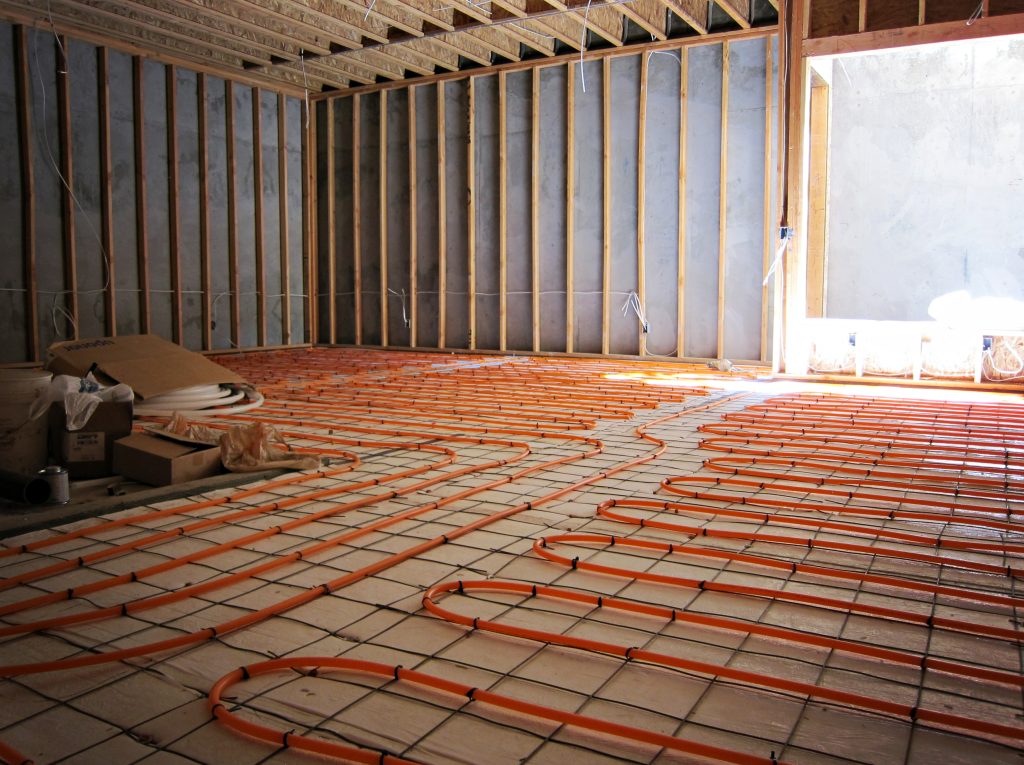

Radiant floor heating delivers consistent, energy-efficient warmth by transferring thermal energy directly through the floor structure into living spaces. Unlike forced-air systems that circulate dust and create uneven temperature zones, radiant floor heating creates a stable thermal mass that warms objects and occupants directly. However, the long-term performance and durability of any radiant heating installation depend heavily on selecting the right combination of heating infrastructure and floor covering.
Because different flooring materials exhibit varying rates of thermal conductivity, moisture tolerance, and expansion potential, pairing them correctly with underfloor heating systems requires careful planning. This comprehensive compatibility guide outlines how various flooring types perform above electric and hydronic systems, key engineering factors to evaluate, and essential best practices for a seamless installation.
Understanding Radiant Heating System Types
Before evaluating floor coverings, it is important to distinguish between the two primary delivery mechanisms for underfloor heat, as each exerts different thermal conditions on finished surfaces.
Electric radiant heating systems utilize high-resistance cables, pre-wired mats, or flexible mesh membranes installed directly beneath the finished floor. These systems are lightweight, low-profile, and ideal for spot heating individual rooms such as bathrooms or kitchens. Electric systems tend to heat up rapidly, which requires precise control to avoid exceeding the maximum temperature limits of heat-sensitive floor coverings.
Hydronic radiant heating systems circulate heated water from a boiler, heat pump, or water heater through flexible PEX tubing embedded within concrete slabs, gypsum underlayments, or subfloor track panels. Hydronic installations excel at whole-home heating due to lower operational costs over long periods. They generally provide a gentler, more gradual heat build-up, making them highly adaptable across a wide spectrum of flooring materials.
Core Engineering Factors Influencing Floor Compatibility
Evaluating whether a finished floor material will work with underfloor heating involves four critical physical properties. Ignoring these variables can result in warped planks, cracked tile grout, or inefficient heat transfer.
Thermal Resistance and R-Value Limits
Thermal resistance, measured as R-value, indicates a material’s capacity to resist heat flow. In radiant floor design, the total R-value of all layers above the heating element, including underlayments, adhesives, and finished flooring, should ideally not exceed R-1.5 to R-2.0. When the combined thermal resistance exceeds this threshold, heat becomes trapped beneath the floor, causing energy waste, slow response times, and potential damage to the heating assembly.
Maximum Temperature Thresholds
Every flooring category has a maximum surface temperature threshold recommended by manufacturers. While stone and ceramic tile can withstand high heat levels without issue, resilient floors, laminates, and wood products typically require that surface temperatures never exceed 81 to 85 degrees Fahrenheit. Exceeding these limits can degrade adhesives, cause finish discoloration, or induce structural warping.
Moisture and Humidity Dynamics
Heat accelerates moisture movement within subfloors and finished surface layers. Wood and laminate materials are particularly sensitive to relative humidity changes. When heated from below, organic materials lose internal moisture rapidly, leading to dimensional contraction. Maintaining indoor relative humidity between 30 and 50 percent is essential to mitigate gapping and cupping during the heating season.
Structural Subfloor Requirements
Radiant systems add weight and thickness to subfloors, especially when fluid-based gypsum or concrete pours are involved. Rigid materials like large-format ceramic tiles require subfloors with minimal deflection to prevent cracking when thermal expansion occurs. Flexible materials like sheet vinyl require exceptionally smooth, flat subfloors because underfloor heating will highlight surface imperfections over time.
Flooring Material Compatibility Breakdown
Different floor coverings respond uniquely to radiant warmth. The following analysis ranks major flooring materials by compatibility and details key preparation steps.
Ceramic and Porcelain Tile
Ceramic and porcelain tile represent the gold standard for radiant floor heating compatibility.
-
Thermal Performance: Exceptional heat conductivity allows warmth to pass through quickly with minimal energy loss.
-
Dimensional Stability: Tile is unaffected by temperature fluctuations or ambient humidity shifts, eliminating expansion and contraction concerns.
-
Installation Requirements: Use flexible, polymer-modified thin-set mortars and flexible tile grouts to absorb minor thermal movement between the tile and subfloor.
Natural Stone Flooring
Natural stone materials such as marble, granite, slate, and travertine offer high thermal mass and retain heat for extended periods.
-
Thermal Performance: High conductivity provides excellent efficiency, though thicker stone slabs require longer initial heat-up times.
-
Dimensional Stability: Stable under temperature changes, though natural fissures require stable subfloor support.
-
Installation Requirements: Verify that the stone type is non-porous or properly sealed, as heat can drive residual subfloor moisture up through permeable natural stone, causing efflorescence.
Engineered Hardwood
Engineered hardwood combines a real wood veneer with a multi-ply cross-grain plywood core, making it significantly more stable under heat than solid timber.
-
Thermal Performance: Moderately conductive, offering comfortable warmth underfoot without restricting heat distribution.
-
Dimensional Stability: High resistance to expansion and contraction, making it the preferred choice for real wood aesthetics over radiant heat.
-
Installation Requirements: Select quartersawn or rift-sawn face veneers where possible, limit board widths to under 5 inches, and ensure total plank thickness does not exceed 5/8 inch. Floating or glue-down methods with radiant-approved adhesives work best.
Solid Hardwood
Solid hardwood presents moderate challenges when paired with underfloor heating due to its natural tendency to expand and contract across its grain.
-
Thermal Performance: Good natural insulator that takes longer to warm up, but holds heat effectively.
-
Dimensional Stability: Prone to gapping, cupping, and crowning if heating temperatures fluctuate rapidly or humidity drops significantly.
-
Installation Requirements: Stick to dimensionally stable species like quarter-sawn oak, teak, or mesquite, while avoiding unstable woods like hickory or maple. Keep plank widths narrow, strictly enforce the 81 degree Fahrenheit surface temperature cap, and install a continuous subfloor sensor.
Luxury Vinyl Plank (LVP) and Sheet Vinyl
Resilient vinyl flooring is thin, flexible, and comfortable underfoot, offering good compatibility when installed according to strict temperature guidelines.
-
Thermal Performance: Excellent heat transfer owing to low overall thickness and low R-value.
-
Dimensional Stability: Modern Rigid Core (SPC) vinyl offers high dimensional stability, whereas standard flexible vinyl can soften or expand under elevated temperatures.
-
Installation Requirements: Always verify that the manufacturer explicitly rates the specific vinyl product for use over radiant heat. Ensure adhesives are heat-resistant, and install a thermostat with an external floor sensor to lock maximum surface output at 85 degrees Fahrenheit.
Laminate Flooring
Laminate flooring consists of high-density fiberboard (HDF) topped with a decorative image layer and protective wear surface.
-
Thermal Performance: Low thermal resistance allows swift heat transfer into the room.
-
Dimensional Stability: Highly stable overall, though the core board remains susceptible to swelling if moisture is introduced from below.
-
Installation Requirements: Always lay a continuous 6-mil polyethylene vapor barrier over concrete subfloors before installing laminate. Choose high-density acoustic underlayments specifically engineered for low thermal resistance.
Carpet and Underlayment
Carpet acts as an effective insulator, meaning it can be used with radiant heating only if total thermal resistance is carefully managed.
-
Thermal Performance: Traps heat easily, which can reduce overall heating system efficiency if the combination is too thick.
-
Dimensional Stability: Highly stable, though synthetic fibers must be heat-rated to avoid off-gassing or pile degradation.
-
Installation Requirements: The combined R-value of the carpet and foam padding must not exceed R-2.5, with R-1.5 being the preferred maximum. Use dense rubber or felt underlayments instead of thick polyurethane foam pads.
Critical Best Practices for Installation and Operation
Achieving long-term success with radiant floor heating requires following rigorous commissioning protocols before and after the finished floor is laid.
-
Conduct Moisture Testing: Test concrete subfloors for relative humidity prior to installing wood, vinyl, or laminate flooring. Concrete must read below 75 percent relative humidity or have a moisture vapor emission rate below 3 pounds per 1,000 square feet over 24 hours.
-
Acclimatize Flooring Materials: Store wood, laminate, and vinyl products inside the target installation space with the heating system running at a low setting for at least 48 to 72 hours before installation to allow dimensional stabilization.
-
Embed Temperature Sensors: Always install a floor-sensing probe directly within the thin-set or subfloor assembly and wire it to the thermostat. This provides real-time monitoring to prevent exceeding material heat limits.
-
Implement a Gradual Commissioning Ramp: Never turn a radiant heating system on at full temperature immediately after floor installation. Increase the operating fluid or cable temperature by 2 to 5 degrees Fahrenheit per day until reaching the desired baseline, allowing adhesives and flooring materials to adjust without thermal shock.
Frequently Asked Questions
How does floor thickness impact the heat-up time of a radiant system?
Floor thickness directly dictates thermal lag, which is the time required for heat to travel from the heating element to the top surface. Thinner materials like vinyl or laminate heat up within 30 to 45 minutes, allowing rapid thermostat response. Thick installations, such as 1.5-inch stone slabs or hardwood over thick underlayments, can take several hours to reach target temperatures. However, thicker materials retain thermal energy much longer after the system turns off, creating a stable flywheel effect that works well for continuous background heating.
Can radiant floor heating be installed over existing timber floorboards without tear-out?
Yes, radiant heating can be retrofit over existing wood floorboards using low-profile electric wire mesh kits or modular hydronic panels featuring pre-routed PEX channels. These panel systems typically add only 0.5 to 0.75 inches of height to the subfloor. Before installing over existing timber, verify that the subfloor boards are securely fastened, completely level, and free from squeaks or structural deflection that could strain the new overlay.
What type of rug backings are safe to use over radiant heated floors?
Area rugs placed over heated floors must feature breathable backings made from natural fibers like woven jute, cotton, or unbacked wool. Rugs with solid rubber, vinyl, latex, or non-skid synthetic backings should be avoided entirely. Non-breathable backings trap heat beneath the rug, creating localized thermal hotspots that can discolor wood finishes, melt synthetic adhesives, or trigger thermal safety cutoffs in the heating system.
Does radiant floor heating affect the warranty of floating floor systems?
Radiant heating will not void floating floor warranties as long as the product is explicitly certified for underfloor heat by the manufacturer and installation guidelines are followed. Warranties usually require that floor surface temperatures never exceed 81 to 85 degrees Fahrenheit, that relative humidity levels remain within specified ranges year-round, and that an approved low-R-value underlayment is used. Documenting thermostat limit settings during installation is recommended for warranty validation.
How do solar heat gains interact with radiant floor heating controls?
Solar heat gain from large south-facing windows can warm floor surfaces higher than the thermostat setpoint, causing radiant zone valves or electric mats to shut down temporarily. In heavy thermal mass floors like concrete or tile, this can lead to temporary room overheating because the floor continues emitting stored energy after the system turns off. Modern radiant thermostats utilize dual-sensor technology, combining floor sensors with outdoor reset controls to modulate heat output based on solar exposure and weather trends.
Are there specific furniture design choices required when living with radiant heating?
Furniture installed over radiant floors should ideally feature raised legs or open bases that allow at least 2 to 4 inches of clearance above the floor surface. Flat-bottomed furniture that sits flush against the floor, such as floor cushions, bean bags, or solid-base cabinets, acts as localized insulation. This traps heat directly beneath the furniture piece, reducing room heating efficiency and potentially damaging both the floor finish and the furniture framework.
Can a radiant floor heating system be reversed to provide radiant cooling?
Hydronic radiant floor systems can be adapted for radiant cooling by circulating chilled water through the PEX tubing during warm months, provided the system is integrated with sophisticated humidity control infrastructure. However, the floor surface temperature must always remain strictly above the ambient dew point of the room to prevent condensation from forming on the floor surface. Electric radiant floor systems cannot provide cooling and operate exclusively as heating units.

Comments are closed.